TB in Canada: One Family’s Story and a Call for Change
By Donna Dumas
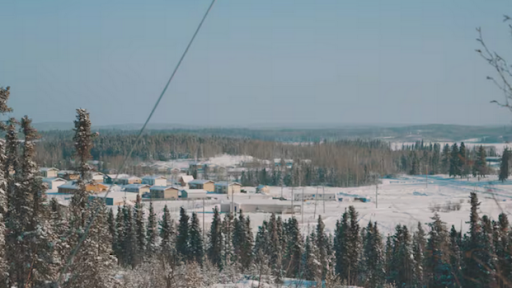
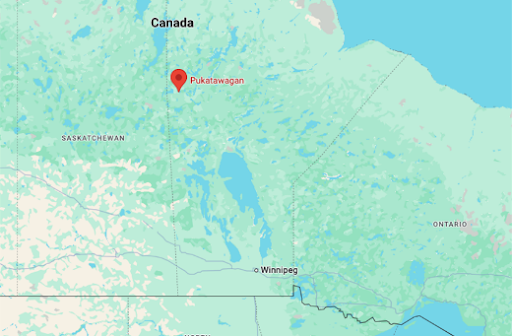
My name is Donna Dumas and I am a tuberculosis (TB) survivor from Winnipeg, Manitoba. I was born and raised in Pukatawagan—Mathias Colomb Cree Nation—a remote northern community 800 kilometres from Winnipeg, reachable only by train, plane, or winter road. Like many First Nations communities, Pukatawagan faces chronic barriers to consistent medical care, relying on a small nursing station and occasional fly-in doctors. These realities shape not only how we access health services, but also how illnesses like TB are detected, treated, and understood.
TB has left a devastating and long-lasting mark on Indigenous communities, touching families like mine for generations. My brother’s battle with TB began when he was just five years old, and decades later I would face the same illness.
While TB has had a profound impact on our lives, it does not define us. I stand in my strength, resilience, and determination to thrive. I honour the hardships that brought me here, but I refuse to let them dictate my path forward. Today, I tell my story to raise awareness and call for change.
My Battle with TB
My story began in January 2019, when I started experiencing weight loss, fatigue, and recurring lung infections. I went to walk-in clinics and emergency rooms numerous times, but each visit ended the same way: I was prescribed antibiotics that never addressed the real illness – TB.
As an Indigenous woman, I also encountered painful and persistent stereotypes. I was asked if I had been drinking. I was asked to take an HIV test. My symptoms were minimized and misinterpreted.
Ten months later, in October 2019, I nearly died.
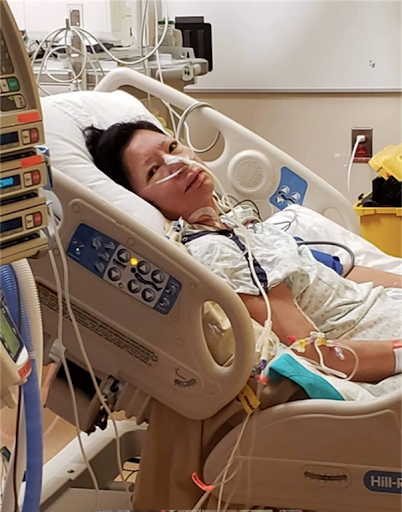
I suffered severe hemoptysis – coughing up large amounts of blood. When I called an ambulance, paramedics asked if I had been drinking. I told them I hadn’t, but they didn’t believe me. Their initial assessment was that I might be experiencing alcohol withdrawal or bleeding from my liver. They told me I wasn’t “sick enough” to be taken to a major hospital, even after I described the blood loss. I had to advocate for myself just to be believed.
During the examination, I revealed I had a family history of TB – that my brother had been in a sanatorium and his right lung was removed when he was very young. The attendee asked me if I ever heard of the song “ Sanitarium” by Metallica and played the song on the way to the hospital.
Once admitted to an isolation room at the Health Sciences Centre, testing was delayed because the hospital’s labs were closed for the weekend. A sputum test couldn’t be processed until Monday. I was admitted for further observation. The next morning, on October 20, I began coughing up blood again while in isolation. This time, doctors recognized the severity and I was rushed into emergency surgery — a pulmonary embolization on my left lung to stop the bleeding.
The TB health nurse came to visit after the surgery and I began taking TB pills. The doctor explained that TB had severely damaged the arteries in my lung and the surgery was successful.
Just weeks later, on October 31, I began to feel unwell again and requested another CT scan. I asked the doctor to meet with me to discuss the results, but he left that night without consulting me. The next morning, a tickle in my throat triggered another massive bleed. When I pressed the intercom for help, I was told staff were in the middle of a shift change. As I choked on blood, I muttered, “I’m bleeding to death.” Someone rushed in and I heard “CODE BLUE”. While I was being prepped for surgery, the doctors predicted I had a 30% change of surviving the surgery. I requested for my son to arrive before they began the surgery.
I survived – and today I’m telling this story because too many people don’t.
A Family Impacted Across Generations
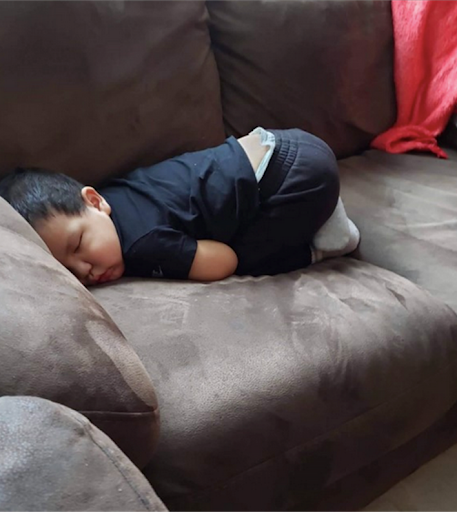
After my surgery, public health investigations revealed that my four grandchildren were also affected by TB. My granddaughters had latent TB and were treated. My youngest grandson, only two years old at the time, was diagnosed with active TB and hospitalized for three weeks.
We were both misdiagnosed multiple times as having a “viral illness,” or a common cold and given antibiotics that only suppressed the TB. A few days after the antibiotics my grandson bounced back and played like a normal child, but the real illness went untreated. Months after recovering from the removal of my lung, I called patient relations and wanted answers, only to be belittled and intimidated.
If my grandson wasn’t related to me, his illness would have gone undiagnosed. The TB health team did the initial contact tracing and that's how he got the diagnosis. He was admitted to the children's hospital and finally received the correct treatment. During my grandson's hospital stay he was subjected to harsh treatment. There are no child-friendly TB medications in Canada, he was prescribed a liquid treatment and nurses relied on his mother to administer the medication via syringe. It’s hard enough fighting TB. Forcing medicine on a toddler makes it even harder. My other granddaughters received the liquid TB treatment and it was a stressful situation on them and the parents.
My grandson is eight years old and he still carries the trauma of the TB illness, but he’s getting stronger. He’ll soon be seeing a pediatric TB doctor in Winnipeg. As for me, I have continued on with my career and am studying at the University of Winnipeg in the MBA 4 year program. In my spare time, I make moccasins and slippers, and share my culture with others.This is part of healing, for me, means giving back. My wish is that TB be combated and controlled. I wish not for my grandson's kids nor their grandson’s be burdened with the illness that has plagued us for centuries.
“We have social workers, but it seems that my mother was left behind... They did not bother to ask how she would be supported during recovery. It’s easy for doctors or nurses to have power over a person – they know the system. No one should be placed on the backburner with all the services we have in Canada. If we want to move forward, we need change.”
A Family Legacy of TB
My family’s experience with TB began long before my own illness. My brother, John Dumas, lived through the harsh realities of the Residential School–era TB system, losing his right lung at age 12 after enduring years of harsh treatment and isolation.
In 1952, John was sent to the Sanitorium at Clearwater Indian Hospital in Manitoba for TB treatment. He faced abusive conditions including being tied to a metal bed, only untied to eat or use the bathroom, kept in a dark room with other boys, and subjected to invasive procedures, such as having a plastic tube inserted into his nose to remove stomach contents, repeated injections into his buttocks, and swallowing medications. He had no visitors for years and when he finally returned home, he was afraid of his family and unable to communicate in Cree.
By 1963, TB had returned, and John was sent to Ninette Sanatorium. There, he was treated by a doctor who called himself “Dr. Pain” and a nurse named “Nurse Pain.” He was subjected to abusive physical exams and repeatedly restrained when trying to escape. Ultimately, his right lung was removed to prevent further TB recurrence. He awoke from the operation in excruciating pain and remained under repeated sedation for a week.
These experiences left John with a lifelong fear of the medical system and feelings of disconnection from his family.
Today, John still lives in Pukatawagan, an elder and knowledge keeper. He teaches cultural practices, trapping, hunting, fishing, and survival skills. He is passing down the knowledge that his grandfathers taught him as a child. The seven generations will carry forward the traditions of our community.
Systemic Barriers and the Need for Change
Our stories are not isolated. They are part of a larger pattern of systemic neglect that Indigenous families have faced for decades.
Dr. Pierre Ploudre, my mentor and supporter, spoke openly about how colonial unconscious bias affects care for Indigenous peoples. He described it as “an unsupported and implicit judgment, often unfair,” and said that reconciliation requires more than acknowledgement. It means taking action when we witness bias or racism in health care.
These issues are not new. The Canadian Tuberculosis Standards now include a chapter on addressing structural racism rooted in colonialism. That recognition matters, but real progress depends on closing the gaps those systems created, including the ones that still harm children and families today.
We see those gaps in something as basic as access to medicine. Dr. Mahli Brindamour, a pediatric TB clinician, says “TB in children is a sentinel event. It means recent transmission, often within families, and it demands urgent action.” She reminds us that “we have safe, effective, child-friendly medicines used worldwide, but Canadian kids can’t get them. That gap has to close.”
Stop TB Canada has been documenting these ongoing barriers. Their Access to TB Medicines report shows that while WHO-approved child-friendly TB drugs are available globally, Canadian children are still denied access. For families like mine, that’s not just a policy failure. It’s another form of inequity rooted in the same history of neglect.
Hope and Advocacy
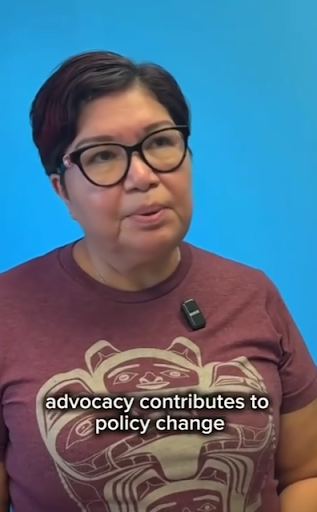
On September 25, I joined Stop TB Canada and partners for #LeadOnTB Hill Day in Ottawa, alongside other advocates, tuberculosis survivors, and community members. We met with parliamentarians to urge Canada to step up efforts to eliminate TB both at home and globally.
When a person is feeling sick, it’s hard to advocate for yourself. Doctors need to take people seriously and be aware of their biases. That’s why I share my story – for myself, my family, and others who can’t.
TB continues to expose inequities in Canada’s health system. But by listening to survivors, addressing systemic racism, and ensuring equitable access to medicines, we can finally move closer to ending TB in this country
.
Donna is a member of TBpeople Canada, a supportive community of people who have or had TB, family members, friends and caregivers committed to the common goal of raising awareness on TB, fighting stigma and ending TB everywhere.