
At Stop TB Canada, we recognize that listening to and platforming communities impacted by TB must be part of the work to end it. Indigenous communities across Canada continue to experience some of the highest rates of TB in Canada, reflecting persistent health and social inequities due to colonialism, including barriers to culturally safe and accessible health care. Inuit communities living in Inuit Nunangat, for example, experience TB at over 600 times the rate of the Canadian-born non-Indigenous population. In this personal reflection, Hilary Fry draws on her Nana’s experience of TB treatment far from home to explore what reconciliation means for the work to end TB.

Hilary Fry, RN, MN
Director, Reconciliation and Equitable Health Systems, Canadian Nurses Association
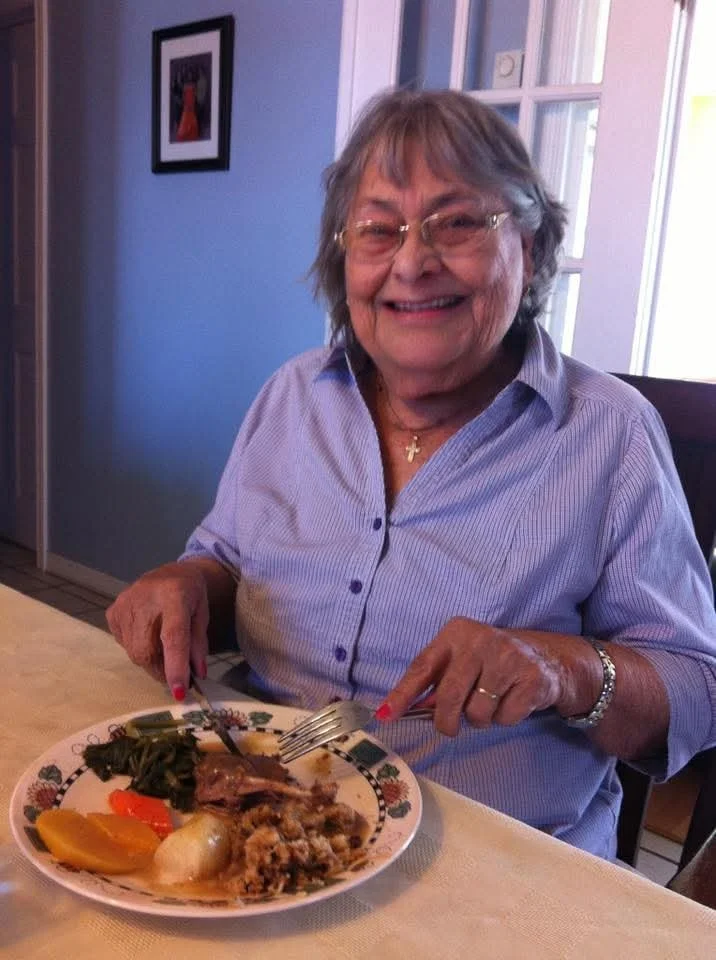
My connection to Tuberculosis is deeply personal. In 1956, my Nana was a young mother with three children under three when she had to leave Labrador for a year of TB treatment. She described her time away as long and the food as bad, and she recalled helping to care for other people with TB. Letters were her only contact with family. She called it the worst thing she had ever done, and she wondered whether she would make it home.
Her story has stayed with me, and today my connection to TB is professional as well. I am a beneficiary of the Labrador Inuit Land Claims Agreement (LILCA), a registered nurse and an Indigenous policy leader, the fight against tuberculosis (TB) is important both personally and professionally. Growing up in Happy Valley-Goose Bay, Labrador, and working in my community alongside many First Nations and Inuit sparked my passion to advance Truth and Reconciliation in health systems.
The National Day for Truth and Reconciliation Day reminds me that health and reconciliation cannot be separated. TB’s history in Indigenous communities is closely tied to colonial health systems. My Nana is one of many Inuit who were sent far from home, isolated from family for treatment. Many families still have unanswered questions and are unsure of their loved ones’ whereabouts.
Persistent TB inequities cannot be explained by individual behaviour. They reflect colonialism’s ongoing effects: overcrowded housing, food insecurity, geographic isolation, poverty, barriers to health care, lack of cultural safety and systemic racism. The Social Determinants of Inuit Health (SDOIH) by Inuit Tapiriit Kanatami (ITK) demonstrates how colonialism, self-determination, culture, language, land, housing, food security and health services are interconnected. Governments must support Indigenous leadership, and recognize that Indigenous knowledge is central to ending TB. Funding must be adequate and predictable to support community-led approaches, which are essential in ensuring solutions are culturally relevant, trusted and sustainable.
Reconciliation means moving from acknowledgement to action. Nurses and health professionals have a duty to learn about Canada’s colonial history, including the historical and current impacts of TB impacts and its treatment, and its effects on health systems through The Path: Your Journey Through Indigenous Canada. The 4 Streams of Reconciliation: CNA’s Action-Oriented Framework puts reconciliation into practice through 4 streams: Accountability, Advocacy, Anti-Racism and Allyship. This requires acknowledging nursing’s role in colonial systems, including that of working in TB sanatoriums, examining power and privilege, challenging anti-Indigenous racism, amplifying Indigenous voices, and working with Indigenous Peoples rather than for them.
For nurses and health professionals, this work also means building long-term relationships with Indigenous communities, supporting Indigenous-led research, improving access to care, and holding health institutions accountable for measurable change. Progress depends on sustained commitment, transparent reporting and resources that match the urgency of these inequities.
Reconciliation means ensuring future generations experience a health system unlike the one my Nana faced: one grounded in trust, dignity, cultural safety, Indigenous knowledge and self-determination. Ending TB is not only about treating disease; it is about transforming the systems that sustain inequities.
TB Talks
From Sanitoriums to System Change
Understanding the History of TB, Stigma, and Indigenous Health
Thursday, October 29, 2026 · 1:00–2:00 PM ET
Join Hilary Fry for a virtual learning session combining personal and professional lived experience of the legacy of TB, including forced treatment in sanitoriums and deep-seated mistrust in health systems. This presentation will connect these experiences to the realities of Indigenous health today, while exploring the role of nurses and health professionals in rebuilding trust, addressing racism, and creating culturally safer health systems.